
This summer a certain movie got a lot of buzz. Inspired by true events, the film offered a dramatic presentation of one man’s fight to rescue children from exploitation and sex trafficking. It grossed over $175M in the first three weeks and has continued to top box-office charts, thanks in large part to Evangelicals. Many churches have hosted viewings and encouraged congregants to attend and learn more about this critical issue.
It’s interesting that none of the nationally-known and well-respected anti-trafficking organizations have backed the film. I co-founded an anti-trafficking organization ten years ago. I’ve been around this block a few times as an advocate and an educator, and I cannot support it either. I want to tell you why (I’ll post some thoughts in the comments), but let’s not get distracted.
The truth is that human trafficking exists. It is a horrendous crime and it is growing every year. Raising awareness about this is good and important because — GOOD NEWS! There are things you and I can do to fight it.
Unfortunately, there was only one call to action given at the end of the film: buy more movie tickets. Getting more people to see the movie may increase awareness of this particular story and its hero, but it does nothing for victims. Zero proceeds are going to anti-trafficking efforts or organizations. Buying more tickets only lines the pockets of investors, actors, and producers.
It’s a shame, because there is SO MUCH that you and I can do that can actually make a difference! So let’s talk about this.
What can you and I do to fight human trafficking?
1: Educate ourselves.
The first and easiest thing any of us can do is educate ourselves about the facts of human trafficking.
While dramatic kidnappings make for an exciting story, the truth is that the vast majority of victims — reports suggest at least 83% — are trafficked by people they know and trust. Family members, friends, romantic partners, leaders in their community, employers. The chances of your kid getting grabbed and sold by a stranger are slim. Grooming is far more likely, so we need to know the signs to keep those in our communities safe.
Also: human trafficking isn’t always about sex. That may be the #1 form in the US, but around the world, forced labor is a major problem.
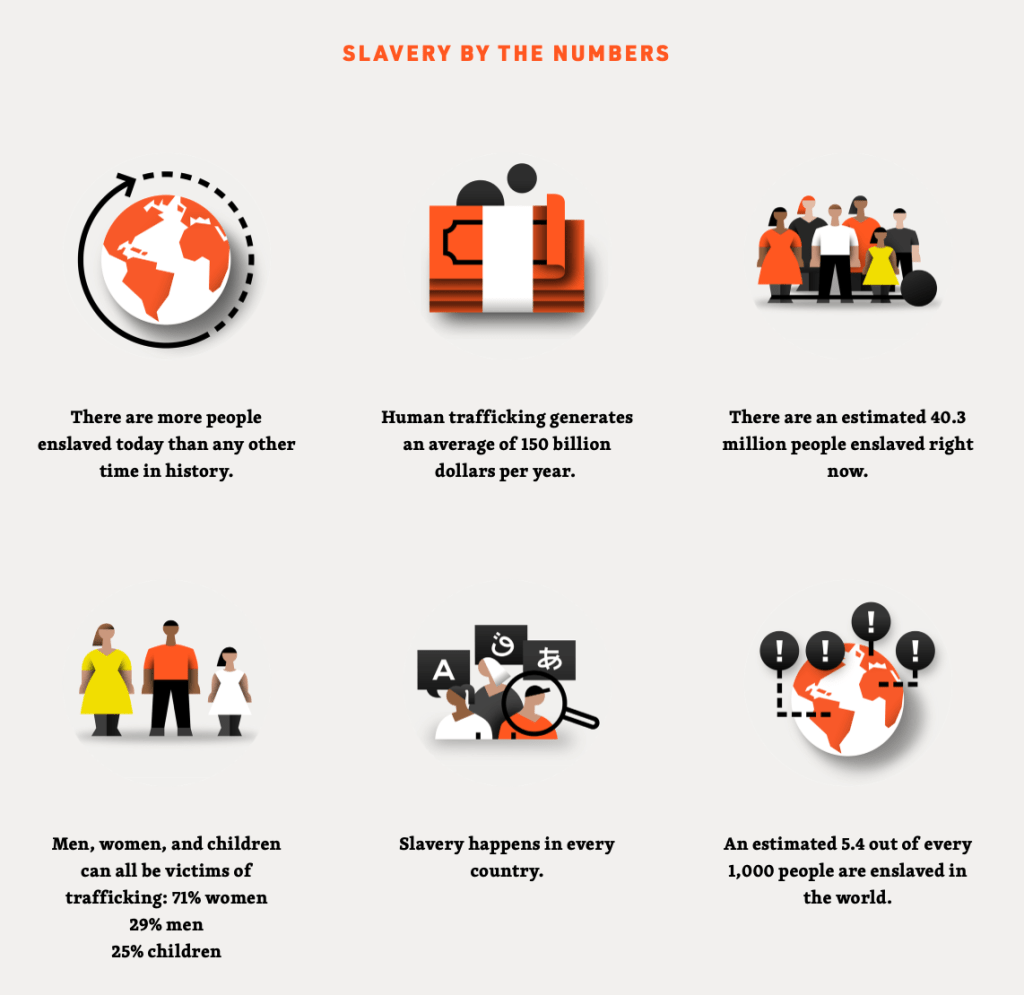
Educating ourselves not only protects us from false information and assumptions, it also equips us to make a difference.
Visit key websites like Walk Free, IJM, A21, and Polaris to start. Most anti-trafficking organizations offer a page of basic facts, but these sites in particular offer wells of information.
I also encourage you to visit the Justice Network Resources page. This is by far the most exhaustive list of resources I’ve seen on the web. You can explore movies — both dramatic and documentary — based on fact (not “inspired by”), as well as books — memoirs, biographies, social studies, and more. CLICK HERE to go directly to that Resources page.
2: Donate to reputable organizations.
Find an organization doing good work and offer them support. This can be through donations of funds or gift cards. You can also support them by using charity links for online shopping. Visit any of the sites below for more information.
- A21
- Exodus Road
- IJM : International Justice Mission
- Love146
- Polaris Project
- RestoreNYC
- Shared Hope Intl.
3: Shop fair trade and ethically-sourced.
We can make a huge impact on human trafficking by refusing to support companies built on slave or unethical labor practices. The top three industries employing slave labor are fashion, chocolate, and coffee. So when you go to buy these things, check if the item is Fair Trade.
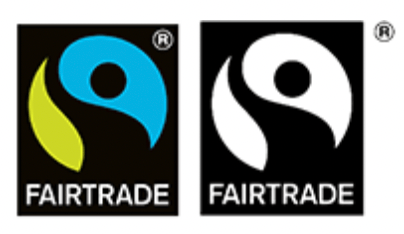
Fair Trade simply means that the workers producing that item you enjoy were paid a reasonable and livable wage.
Look for one of these symbols on the packaging. They’re usually pretty easy to find.
Shopping Fair Trade doesn’t have to be complicated. We get our Fair Trade chocolate, coffee, and tea at our local grocery store, but you can also order online. No special trips required.
Look for outlets that specialize in Fair Trade. One example is Ten Thousand Villages. They’re an excellent organization that celebrates justice and culture while empowering international artisans and environmental awareness. They sell everything from pottery and clothing to jewelry, stationary, chocolate, coffee, and gifts. Shop online or at one of their 44 store locations. Visit the website to learn more.
Again, I’m going to refer you back to Justice Network. The Resources page lists HUNDREDS of Fair Trade options available to you for chocolate, coffee, cafes, clothing, and gifts! You have to take a look. This doesn’t have to be difficult. It just takes a little bit of forethought… and you could save a life. Here’s the link to Ethical Consumer Goods.
4: Volunteer.
Find a local organization doing good work and see how you can get involved. If you’re in the NYC Metro area like me, I’ll recommend the following:
If you can’t find a local organization, many of the national and international orgs have opportunities as well. Visit their sites and look around. You’ll find something; I promise.
If you have a special interest or experience, you may find something directly tied to your niche, like The S.O.A.P Project (training for hospitality workers and activist near large sporting events); Truckers Against Trafficking (training for truck drivers and highway workers); or Blue Campaign (for police and law enforcement).
Invite a speaker to your area (library, church, or community center) or sponsor a fundraiser. You can organize a fair trade market with local vendors or put together a food truck festival with proceeds going to an organization doing good work. The possibilities are endless!
Need more ideas? Check out A21’s list of 21 Ways You Can Help.
5: Share what we’ve learned with others.
When we learn more about the issue and how to make a difference, we need to share what we’ve learned! Talk with our friends. Post on social media. Host an event. Passion and compassion are contagious. You and I could be the sparks that start a fire for justice and freedom.
 Tanya Dennis Books
I said I can’t support the film; I didn’t even link to it. Here are some reasons why.
It may be an exciting Hollywood thriller, but it is far from an accurate or holistic picture of the issue. “Inspired by” rarely means “factual” and that’s definitely the case here. Much of the film is sensationalized and tainted with political motivation. Both the subject and key actors and producers have known connections with QAnon and other conspiracy networks. The film is presented as educational and charitable when it is neither. That’s dangerous and irresponsible when dealing with a very real, very serious issue.
Well-known and respected organizations have expressed concerns for years about this man’s approach. It often puts victims in greater danger, and his model offers no plan for restitution or restoration for survivors. No follow-up care, training, or support. Without that support, survivors are made more vulnerable, leaving them open to re-victimization. This man has a pattern of centering himself and prioritizing publicity. A Hero Complex further fueled by a blockbuster film.
As I mentioned in the post, NONE of the proceeds from the film are going to anti-trafficking organizations. No charities. No rescues. Nothing. It’s a for-profit movie that exploits a very serious issue and its victims for monetary gain. This is made painfully obvious by the “call to action” that only encourages giving them (the producers and movie-makers) more money while offering zero assistance for victims and workers on the forefront of anti-trafficking efforts.
All this was enough and then news that broke last week to add more. It was reported that, due to allegations of sexual misconduct and the findings of an internal investigation, he and the organization he himself founded parted ways months before the movie released. His church and denomination have now also sought distance. Nevertheless, he is now using all this publicity to launch a campaign of political ambitions for 2024.
LikeLike